
 Verified by shop




Are Paraben-Free or Preservative-Free Products Safer?
Preservatives in Skincare: Are “Paraben-Free” and “Preservative-Free” Really Better for My Skin?
For the last decade, “paraben-free” has become one of the most powerful marketing claims in beauty. Many consumers assume that parabens are harmful or unsafe—yet dermatological reviews consistently show something surprising:
When used within regulatory limits, parabens have very low rates of skin sensitization, often lower than many “natural” or alternative preservatives.
This has been confirmed in patch-test surveillance studies from Europe and North America, where parabens regularly show some of the lowest allergenic potential among cosmetic preservatives.
At the same time, products marketed as “preservative-free” can sometimes be misleading: nearly all water-based formulas must include some form of microbial control—otherwise, they risk contamination by bacteria, yeast, or mold, which is far more dangerous to skin health than a regulated preservative system.
So the real question is not
“Are parabens bad?”
but
“Is this product safely preserved to prevent contamination?”
Why Skincare Needs Preservatives
Any formula that contains water (creams, gels, serums, cleansers) is a perfect environment for microorganisms. Without preservation, products can grow:
· Pseudomonas aeruginosa
· Staphylococcus aureus
· Fungal species like Candida and Aspergillus
These microbes are documented in cosmetic contamination case reports and can cause infections, dermatitis, or worsening eczema—especially in children and sensitive skin.
Modern preservation systems are designed to:
· Keep formulas microbiologically safe
· Maintain stability over time
· Reduce the need for high concentrations of irritant-prone essential oils or alcohols
Parabens: What the Evidence Actually Shows
Extensive toxicological reviews (EU SCCS, CIR Expert Panel, and patch-test data from dermatology networks) demonstrate:
· Very low sensitization rates compared to many preservatives like methylisothiazolinone (MI), quaternium-15, or formaldehyde-releasers.
· Long history of safe use at regulated concentrations.
· High stability, meaning they preserve effectively at very low doses.
This is why dermatologists often clarify:
“A product being paraben-free doesn’t automatically mean it’s safer.”
What “Preservative-Free” Often Really Means
Most “preservative-free” claims rely on:
· Alternative antimicrobial systems like organic acids (benzoic acid, sorbic acid)
· Multifunctional ingredients with mild antimicrobial activity (glycols, caprylyl glycol, certain lactates)
· High levels of alcohol (which can irritate sensitive skin)
· Essential oils, which may trigger allergies even though they are “natural”
These are not necessarily gentler—they’re simply different.
A product may avoid parabens yet still contain other preservatives, which can have higher allergenic potential depending on skin type.
How Dr. Dermaluci's Lab Approaches Preservation Safely
At Dr. Dermaluci Lab, our philosophy is:
Safe preservation > trendy claims.
Our formulas are:
· AIAB-certified organic
· Nickel-tested (<1 ppm)
· Dermatologically tested for sensitive and reactive skin
· Free from parabens, silicones, PEGs, mineral oils, microplastics
· Preserved with clean, low-irritation systems carefully chosen for sensitive skin
· Stabilized with antioxidants and pH-controlled environments to support product safety
This means we do not rely on irritant essential oils, aggressive alcohol levels, or formaldehyde releasers.
Instead, our preservation strategy prioritizes:
· Microbial safety
· Skin tolerance
· Ingredient transparency
· Regulatory alignment with EU cosmetic standards
What You Should Look for as a Consumer
Instead of focusing only on “paraben-free,” ask:
1. Is the formula tested for microbiological safety?
2. Is it dermatologically tested on sensitive skin?
3. What type of preservative is used, and at what concentration?
4. Is the brand transparent about its ingredient philosophy?
Recommended Routine (Low-Irritation Approach)
1. Gentle Cleanser with Aloe & Niacinamide
Helps remove debris while maintaining pH and supporting barrier comfort.
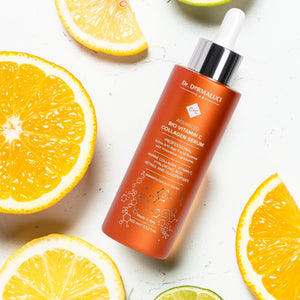
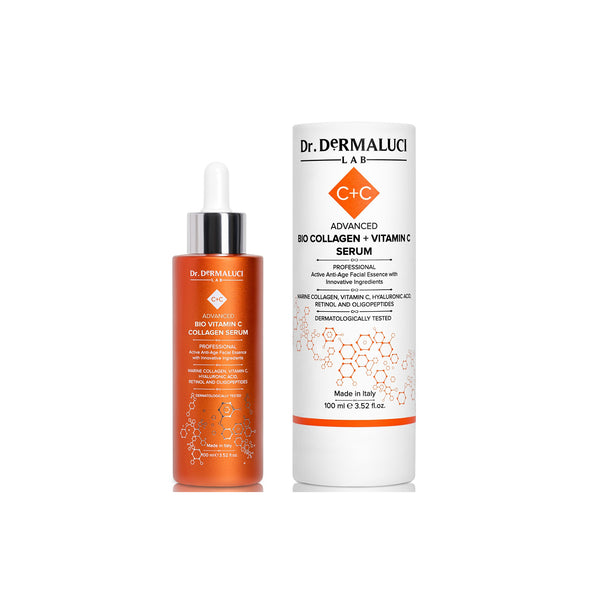
2. Vitamin C + Collagen Serum
Uses nature-identical vitamin C and organic botanical extracts, stabilized with a clean preservative system.
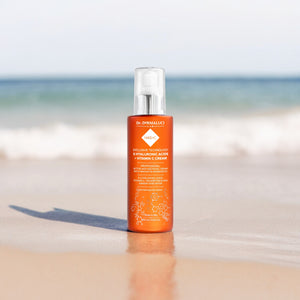
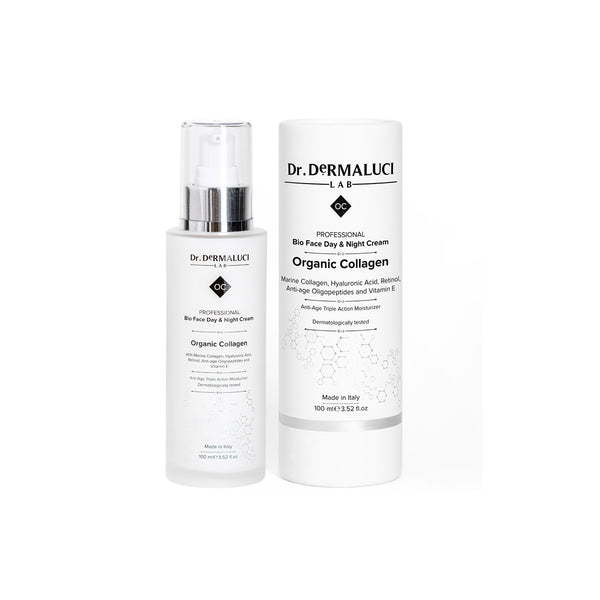
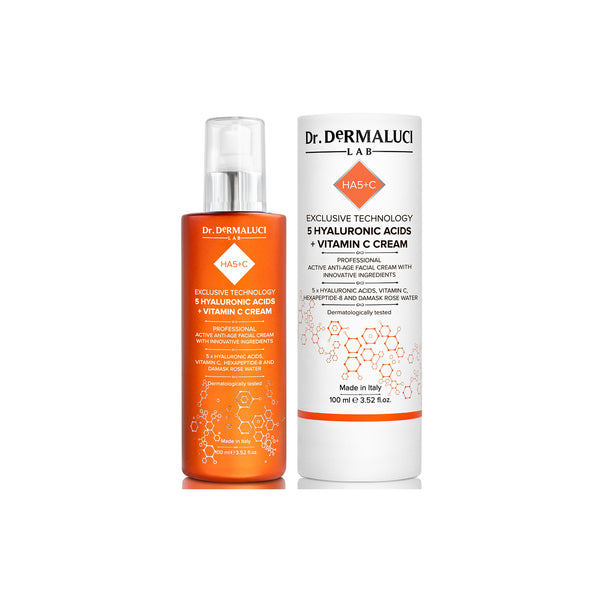
3. 5x Hyaluronic Acid + Vitamin C Cream
Multi-molecular hydration in a microbiologically safe, irritation-controlled formula.
4. Daily SPF
Critical for preventing irritation, hyperpigmentation, and early aging.
FAQs
Q. Are parabens dangerous?
Current evidence does not support this claim when parabens are used within regulated limits. They show very low sensitization rates in dermatological patch-test databases.
Q. Is a “preservative-free” product safer?
Not necessarily. Water-based formulas need some form of microbial control. An improperly preserved product is a real risk for infection and irritation.
Q. Does Dermaluci Lab use parabens?
No. We use certified organic preservation systems that meet AIAB standards and are suitable for sensitive skin.
Q. Can essential oils replace preservatives?
No. They are not reliable preservatives and can increase irritation or allergic reactions, especially on sensitive skin.
Checklist
· ✅ “Paraben-free” ≠ inherently safer
· ✅ Microbial safety is essential for sensitive skin
· ✅ Some natural preservatives can be more irritating than parabens
· ✅ Dermaluci Lab uses clean, certified, low-irritation systems
· ✅ Evidence and testing > marketing trends


