
 Verified by shop




Why Does My Skin React to Everything?
Why Does My Skin React to Everything? Sensitive Skin, Sensitized Skin, or a Damaged Barrier?
Burning, stinging, redness, sudden breakouts, or products that “used to work” now causing discomfort—many people describe their skin with one phrase:
“My skin reacts to everything.”
But in dermatological science, not all reactive skin is the same. In fact, there are three distinct situations that are often confused:
1. Truly sensitive skin
2. Sensitized skin
Understanding which one applies to you is the first step toward choosing the right routine and avoiding unnecessary irritation.
1. Sensitive Skin: A Skin Type
Sensitive skin is considered a constitutional skin type. It is often genetic and long-term.
Common characteristics include:
· Frequent redness
· Tingling or burning sensations
· Reactivity to temperature changes
· Reduced tolerance to fragrances or alcohol
· Often associated with rosacea or atopic tendencies
Sensitive skin typically has:
· A thinner stratum corneum
· Increased nerve reactivity
· A naturally weaker barrier
This type of skin requires consistent, lifelong gentle care, not aggressive treatments.
2. Sensitized Skin: A Temporary Condition
Sensitized skin is acquired, not genetic.
It develops when the skin is repeatedly stressed or over-treated.
Common causes include:
· Over-exfoliation (acids, scrubs, peels)
· Excessive retinoid use
· Harsh cleansers or alcohol-based toners
· Overuse of essential oils or fragrances
· Environmental stress (cold, pollution, UV)
Symptoms often include:
· Sudden stinging from products that once felt fine
· Patchy redness
· Tightness and dehydration
· Breakouts combined with irritation
The key difference:
Sensitized skin can recover—if the stressors are removed.
3. A Damaged Skin Barrier: The Root of Most Reactions
In many cases, reactive skin is not “sensitive” at all—it’s barrier-compromised.
The skin barrier’s role is to:
· Retain water
· Protect against irritants and allergens
· Regulate inflammation
When the barrier is damaged:
· Transepidermal water loss (TEWL) increases
· Irritants penetrate more easily
· Inflammation becomes chronic
· Skin reacts to almost everything
Barrier damage is common in people who:
· Follow complex, aggressive routines
· Use too many actives simultaneously
· Exfoliate frequently without recovery time
How to Identify What’s Really Happening
Ask yourself:
· Have I always had reactive skin? → Likely sensitive skin
· Did my skin become reactive after changing products or routines? → Sensitized skin
· Does my skin feel tight, dehydrated, and sting easily? → Barrier damage
Most people experiencing sudden reactivity are dealing with sensitized skin and a weakened barrier, not true sensitivity.
How Dermalucilab Approaches Reactive Skin
Dr. Dermaluci Lab follows a barrier-first philosophy, grounded in skin physiology rather than trends.
Key formulation principles include:
· Multi-weight hyaluronic acid to restore hydration
· Niacinamide to support barrier repair and reduce inflammation
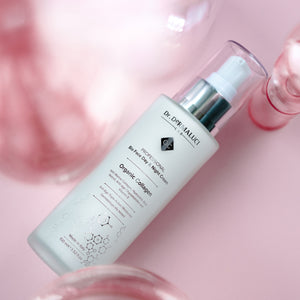
· Peptides and collagen for comfort and resilience
· Organic aloe and chamomile for soothing support
· Nickel-tested, AIAB-certified organic formulas
· No essential oils or aggressive fragrance components
This approach helps both sensitized skin recover and sensitive skin remain stable over time.
Recommended Reset Routine
1. Gentle Facial Cleanser (Aloe + Niacinamide)
Cleans without stripping or disrupting the barrier.
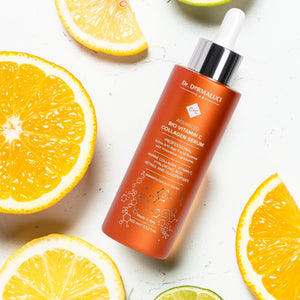
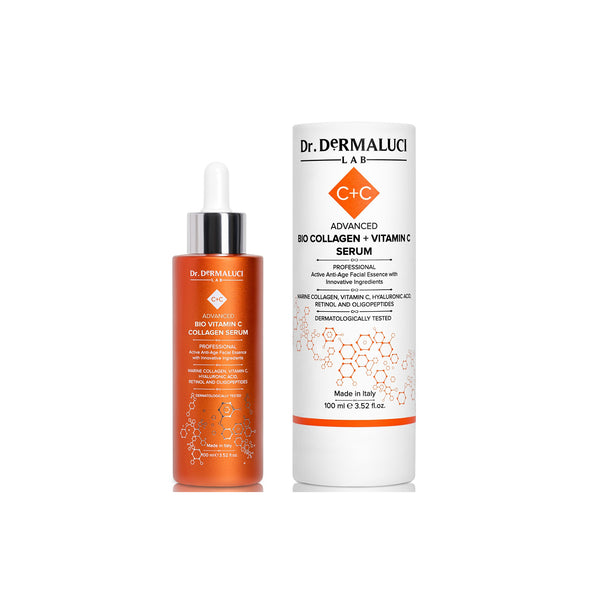
2. Vitamin C + Collagen Serum
Uses stabilized vitamin C to avoid irritation while providing antioxidant protection.
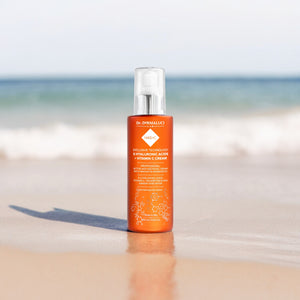
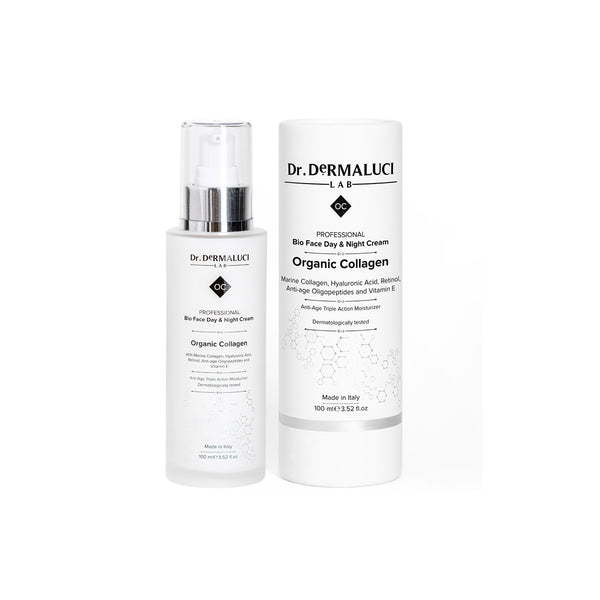
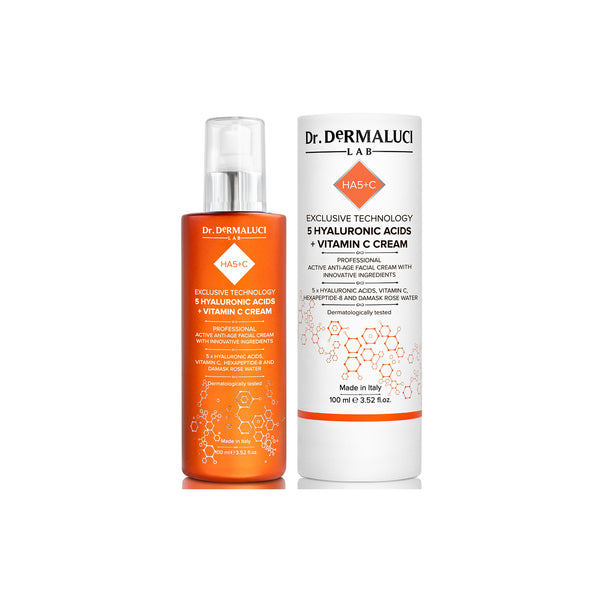
3. 5x Hyaluronic Acid + Vitamin C Cream
Rebuilds hydration and improves long-term comfort.
4. Daily SPF
Essential to prevent further inflammation and barrier stress.
Coming next:
· 👉 “ The Skin Microbiome: How Bacteria, Peptides & Prebiotics Protect Your Skin”
❓ FAQs
Is sensitive skin the same as sensitized skin?
No. Sensitive skin is a skin type; sensitized skin is a temporary condition.
Can sensitized skin return to normal?
Yes—often within weeks when the barrier is properly supported.
Should I stop all active ingredients?
Temporarily, yes. Focus on hydration, barrier repair, and sun protection.
Are Dermalucilab products suitable for reactive skin?
Yes. They are designed specifically to minimize irritation and support recovery.
Checklist
· ✅ Sensitive skin = genetic skin type
· ✅ Sensitized skin = temporary condition
· ✅ Barrier damage causes most reactions
· ✅ Over-exfoliation is a major trigger
· ✅ Barrier-first routines restore tolerance
· ✅ Dermalucilab supports recovery safely


