
 Verified by shop


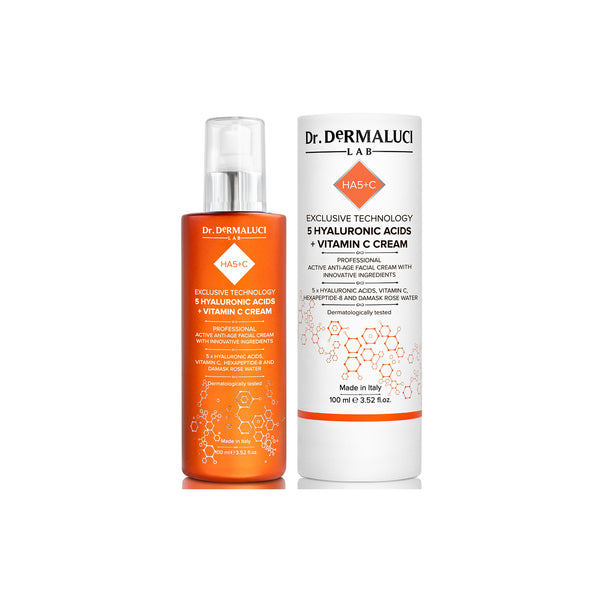
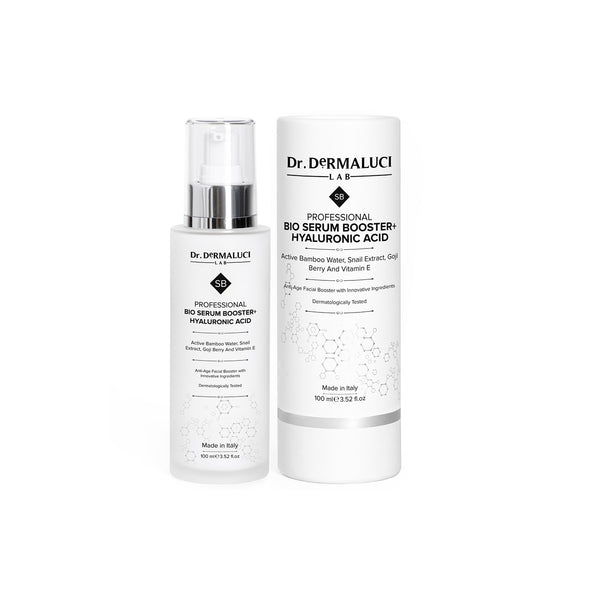
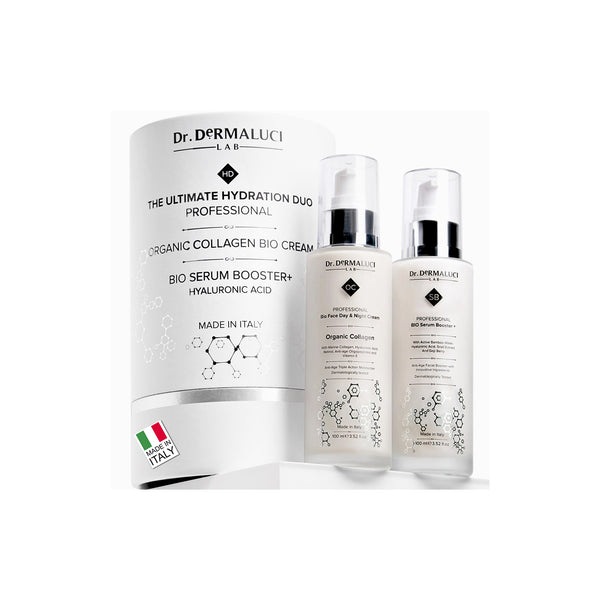


How to Safely Combine Retinol, Peptides, and Vitamin C

Combining active ingredients can improve skincare results, but using them incorrectly may increase irritation. Retinol, peptides, and vitamin C are among the most widely used ingredients in modern skincare routines.
Retinol is a vitamin A derivative used in skincare to support skin renewal and improve the appearance of fine lines. Retinol supports skin renewal, peptides help maintain skin firmness, and vitamin C protects against oxidative stress. When used in separate routines or layered carefully, these ingredients can complement each other in a balanced skincare routine.
This article is part of our Complete Guide to Retinol for Skin, where we explain how retinol supports skin renewal, improves texture, and helps reduce visible signs of aging.
Science Corner: Ingredient Synergy
Each ingredient in this trio works in a different way:
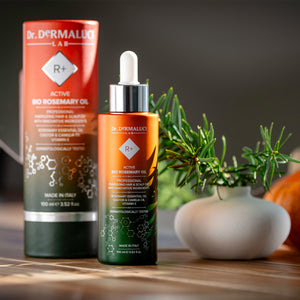
Retinol supports skin renewal by accelerating cell turnover and improving the appearance of uneven texture and fine lines.
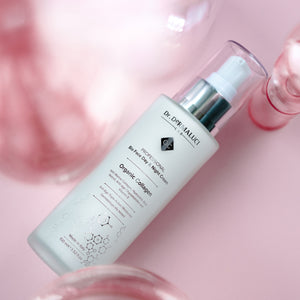
Peptides are short amino-acid chains that help support collagen and elastin, which contribute to skin firmness.
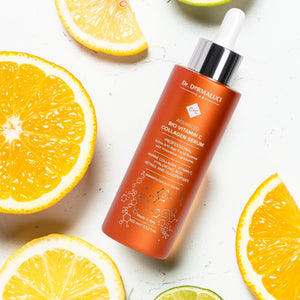
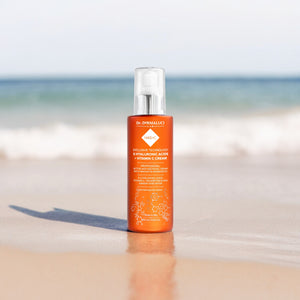
Vitamin C is a powerful antioxidant that helps brighten the complexion and protect the skin from oxidative stress caused by environmental factors.
Because they work through different mechanisms, these ingredients can complement each other when used thoughtfully.
Smart Layering Guide
A simple routine can help combine these ingredients effectively.
Morning routine
Cleanser → Vitamin C serum → Moisturizer → Sunscreen
Evening routine
Cleanser → Retinol → Peptide serum → Moisturizer
This approach allows vitamin C to support antioxidant protection during the day, while retinol and peptides focus on skin renewal and support overnight.
Compatibility Notes
When combining active ingredients, a few guidelines can help maintain skin comfort:
- Sensitive skin may prefer separating retinol and vitamin C into different routines (morning and evening)
- Peptides can be used after retinol to support the skin barrier
- Introduce retinol gradually if you are new to the ingredient
- Daily sunscreen is recommended when using retinol
Can Retinol and Vitamin C Be Used Together?
Some people tolerate both ingredients in the same routine, but many prefer using vitamin C in the morning and retinol in the evening to reduce irritation.
Can Peptides Be Used with Retinol?
Yes. Peptides are generally well tolerated and can help support the skin barrier when retinol is introduced into a routine.
What Is the Best Routine for Retinol, Peptides, and Vitamin C?
A common routine is vitamin C in the morning for antioxidant protection and retinol with peptides in the evening to support skin renewal overnight.
Frequently Asked Questions (FAQ)
Can retinol and vitamin C be used together?
Some people tolerate both ingredients in the same routine, but many prefer using vitamin C in the morning and retinol in the evening.
Are peptides safe with retinol?
Yes. Peptides are generally well tolerated and can help support the skin when retinol is introduced into a routine.
What is the best time to apply vitamin C?
Vitamin C is often used in the morning because it helps support antioxidant protection during the day.
Should moisturizer be used after retinol?
Yes. Applying moisturizer after retinol can help support hydration and reduce the risk of irritation.
Can these ingredients be used every day?
Frequency depends on skin tolerance. Retinol is often introduced gradually, starting a few evenings per week.
Quick Summary
☑ Retinol supports skin renewal
☑ Peptides help support collagen and firmness
☑ Vitamin C brightens and protects the skin
☑ Morning and evening routines help separate strong actives
☑ Daily sunscreen supports overall skin health
Continue in This Series
→ Peptides vs Retinol: When to Choose One or the Other


