


 Verified by shop




Body Skincare: Active Ingredients for Smoother, Firmer, Healthier Skin

Body skin is not face skin. It is thicker, has fewer oil glands, slower cell turnover, and is exposed to friction and dryness that face skin never sees. For years, body care defaulted to bland moisturisers because nothing more active was expected to work or be tolerated. That has changed. Active ingredients designed for body skin can deliver real texture, firmness and tone improvements — if you choose them correctly and apply them where they work.
This article covers the active ingredients with credible evidence for body skin, what each one targets, where on the body each one works best, and what to avoid.
Why Body Skin Behaves Differently
Three biological differences matter:
- Thicker stratum corneum — the outer layer is denser, so active ingredients have a harder time penetrating
- Fewer sebaceous glands — less natural oil, faster dehydration, more reliance on barrier-supporting topicals
- Slower cell turnover — body skin renews more slowly than facial skin, so visible change takes longer
This is why the same retinol that transforms facial skin in 6 weeks needs 12-16 weeks to show body skin results. The biology is the same; the timeline is longer.
Active Ingredients That Work for Body Skin
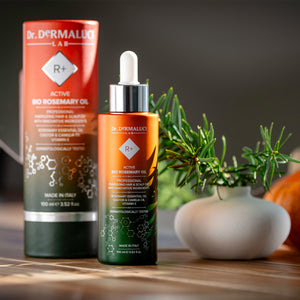
Retinol
Retinol works on body skin for the same reasons it works on facial skin: it speeds cell turnover, supports collagen production, and improves texture. On the body it is particularly effective for keratosis pilaris (the "chicken skin" on arms and thighs), crepey arm skin, and dull thigh tone. Use 0.1-0.3% body-formulated retinol, three times weekly, building up to nightly use.
Alpha Hydroxy Acids (Lactic Acid, Glycolic Acid)
Lactic acid 5-12% is the gold standard for body exfoliation. It dissolves the bonds between dead surface cells, smooths texture, and improves moisture binding. Best for keratosis pilaris and rough body areas. Glycolic acid penetrates deeper but is more irritating — better reserved for tougher zones like heels and elbows.
Urea
Urea at 10% acts as both humectant and exfoliant. At 20-40% it works on very thick skin (heels, knees, elbows). One of the most underrated body care ingredients. Well-tolerated by sensitive skin.
Niacinamide
Niacinamide 4-5% works on body skin for redness reduction, post-inflammatory hyperpigmentation (the marks left after body acne), and overall barrier support. Particularly useful on the chest and back.
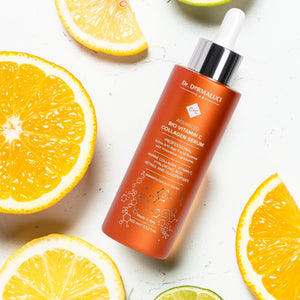
Vitamin C
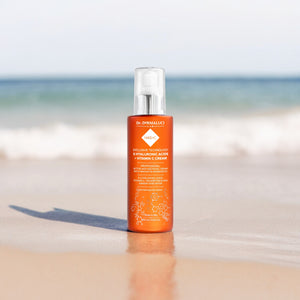
Topical vitamin C on the body addresses sun damage and uneven tone, particularly on hands, forearms and decélletage where UV exposure is highest. Use a stable derivative (sodium ascorbyl phosphate) for body formulas — pure ascorbic acid is too unstable in body-care textures.
Peptides
Body-formulated peptide creams support collagen and elastin production, particularly useful for crepey arms, thinning skin on hands, and the post-pregnancy or post-weight-loss firmness work.
Caffeine
Topical caffeine modestly improves the appearance of cellulite and water retention (effect is temporary, hours not days). Works best combined with massage. Honest assessment: helps presentation, does not change underlying tissue.
What Targets Which Body Concern
- Keratosis pilaris (arms, thighs) → lactic acid 10%, urea 10-20%, retinol 0.3%
- Crepey arm skin → retinol 0.2%, peptides, niacinamide
- Body acne (back, chest) → salicylic acid 2%, niacinamide, benzoyl peroxide spot treatment
- Sun damage on hands and forearms → vitamin C derivative, retinol, daily SPF
- Dry patches on heels and elbows → urea 20-40%, ceramides, glycerin
- Stretch marks (early/pink) → centella asiatica, peptides, hyaluronic acid
- Stretch marks (mature/silver) → very limited topical effect — clinical interventions outperform topicals here
- Cellulite appearance → caffeine, retinol, massage — modest effect on appearance only
How to Apply Body Actives
The rule that breaks every "more is better" instinct: less frequent application, larger area coverage. Body retinol is most effective at 2-3 times per week, not nightly. Daily use on body skin typically causes irritation that interrupts the protocol.
Application order:
- Shower with a gentle cleanser (avoid sulphates for body skin too)
- Pat almost dry — leave skin slightly damp for better penetration
- Apply active treatment (retinol, AHA, peptide cream) on target areas
- Wait 5-10 minutes
- Apply body moisturiser to seal everything in
- SPF in morning for hands, decélletage, and any exposed area
Special Note: The Pant Pro Approach to Body Toning
Our Pant Salino Pro 5+5 takes a different approach to body firmness: a marine collagen + plant-extract treatment garment system worn during specific time windows. It works on water retention and circulation rather than on the topical active model described above. It is complementary to a body actives routine, not a replacement.
Quick Reference: Building a Body Skincare Routine
- ✓ Start with one active ingredient at a time — never multiple new ingredients simultaneously
- ✓ Apply to damp skin for better penetration
- ✓ Use body actives 2-3 times weekly, not daily
- ✓ Always follow with a barrier-supporting moisturiser to seal
- ✓ Daily SPF on hands, forearms, and decélletage
- ✓ Patch test on inner thigh or upper arm before treating large areas
- ✓ Expect 12-16 weeks for visible body skin change — longer than face
Frequently Asked Questions
Can I use my face retinol on my body?
Yes, but it will run out quickly and the concentration may not be efficient for the larger surface area. Body-specific retinol formulas come in larger volumes at appropriate concentrations (typically 0.1-0.3%) and use textures suited for body application. More cost-effective for sustained body use.
How long until I see results from body actives?
Texture improvements (keratosis pilaris, dry patches) at 4-6 weeks. Firmness and tone change at 12-16 weeks. Stretch mark and cellulite appearance shifts at 8-12 weeks for modest effects. Body skin is slower than face skin and patience is required.
Are body actives safe during pregnancy?
Retinol is not recommended during pregnancy or breastfeeding. AHAs at standard cosmetic concentrations are generally considered safe. Salicylic acid below 2% is generally safe. Peptides, niacinamide, vitamin C derivatives and urea are all pregnancy-safe. Always confirm with your healthcare provider for any concerns.
Can I exfoliate the body daily?
No. Daily exfoliation damages the body skin barrier and slows the renewal cycle, making texture worse over time. Two to three times weekly is the productive zone. Even less for sensitive areas.
Why are body skin results so much slower than face?
Body skin has slower cell turnover (45-60 days vs 28-45 for face), thicker outer layer (harder for actives to penetrate), and less surface oil to support the active ingredient. The combination triples or quadruples the timeline compared to facial skincare.
Is moisturiser alone enough for body skin?
For maintenance, yes. For specific concerns (keratosis pilaris, sun damage, firmness loss), no — you need an active ingredient targeting that concern. Moisturiser supports barrier and comfort; actives drive change.
Does drinking water improve body skin texture?
Modestly. Whole-body hydration affects skin moisture with a 24-48 hour lag. Topical body-specific hydrators (urea, glycerin, hyaluronic acid in body formulas) are 5-10x more effective for surface change than drinking extra water alone.
→ Want to understand the active ingredients in more depth? Read our complete guides to retinol, vitamin C, and niacinamide.


